
What each budget gets you.
What to prioritise.
- Fit: lug-to-lug and thickness; see what size to wear.
- Crystal: sapphire resists scratches better than mineral glass.
- Movement: solar or quartz for convenience, automatic for the mechanism.
- Warranty: check the seller’s terms before ordering.
Brand or microbrand?
Big brands offer service networks and resale value. Microbrands offer more spec for the money. Microbrands explained covers the trade-offs.
Where we see the best value.
Under $200 we like the BODERRY Voyager S72 and the Thorn divers; at $300 to $500 the Citizen Zenshin Chrono and the Tissot PR 100 are strong; above $700 the Tissot PRX Powermatic 80 is the one to look at.
Good first watches.
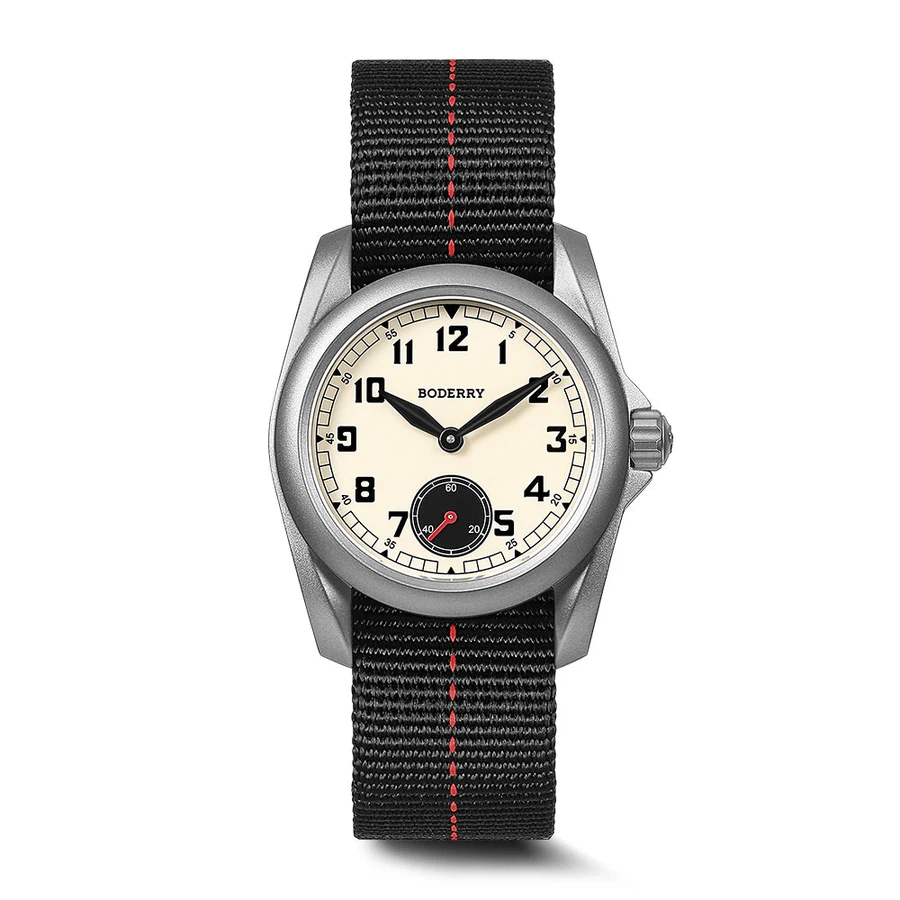
Voyager S72 Cream
Titanium character. A three-day reserve.
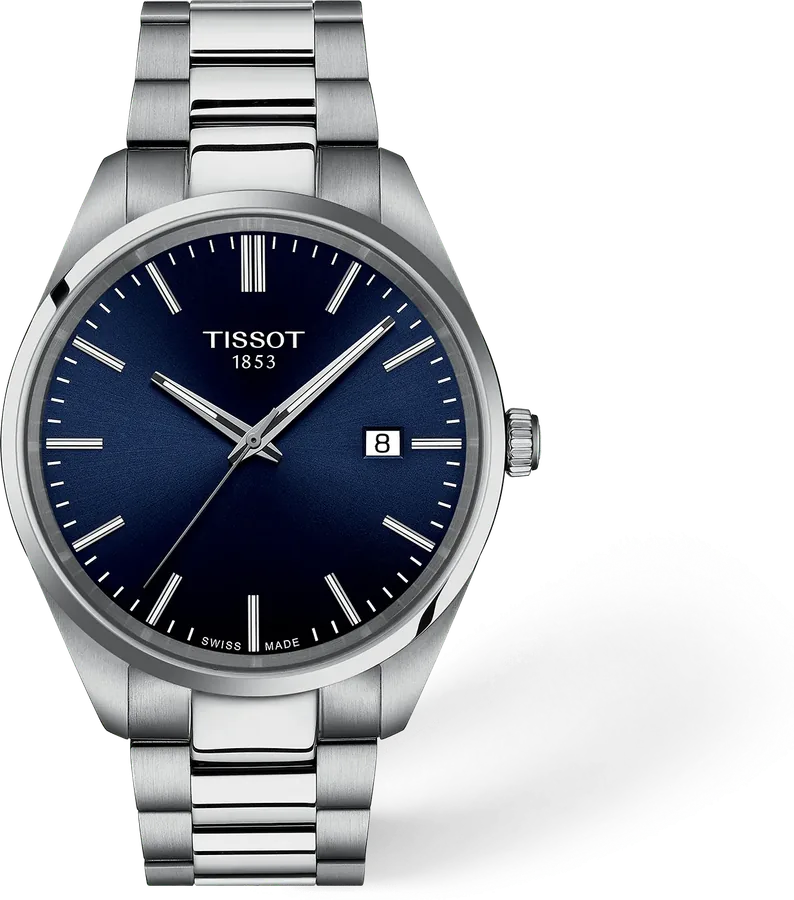
PR 100 Blue
The slim Swiss quartz classic in blue
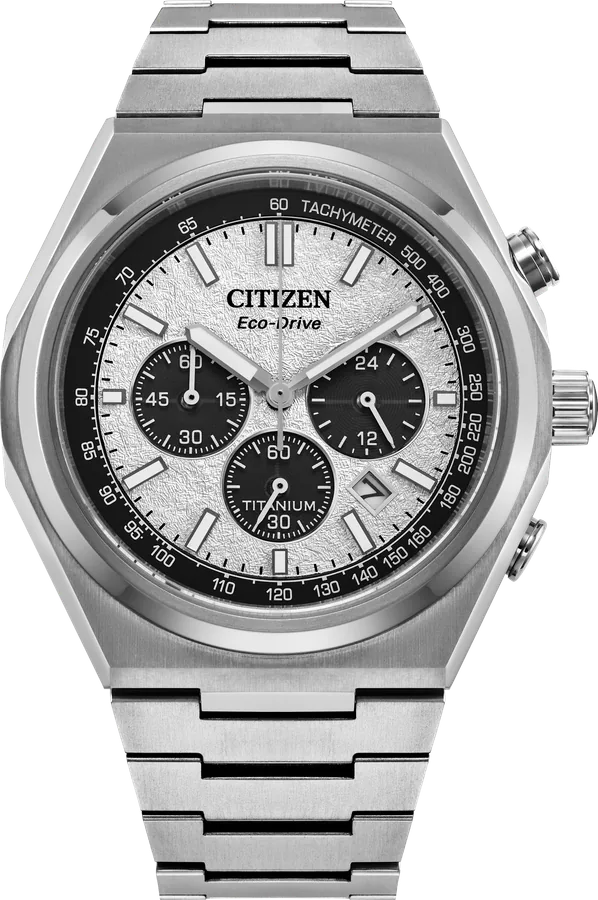
Zenshin Chrono Silver Dial (CA4610-85A)
A titanium solar chronograph with a panda dial
A few good questions.
How much should I spend on my first watch?
Most people are well served by $150 to $500, which covers sapphire, titanium, solar and automatic options.
Is a $100 watch any good?
Yes, if it fits and the specification is clear. Microbrands offer automatics and sapphire at that price, but check warranty terms.
Should my first watch be automatic or quartz?
Choose automatic if you value the mechanism, quartz or solar if you want convenience.
Is it worth spending $1,000 on a first watch?
Only if finishing, brand and movement matter to you. Most of the function is available for less.
How we write guides: we explain watchmaking from manufacturer documentation and published standards, and say plainly where numbers vary by brand or movement. Our approach.