
Fit: the four measurements.
- Diameter: the case width, usually without the crown.
- Lug-to-lug: the length along the wrist. It often matters more than diameter. Lug-to-lug explained.
- Thickness: how tall the watch sits, including the crystal.
- Lug width: the strap width at the lugs, which decides which straps fit.
Power: movement and reserve.
The spec should say automatic, hand-wound, quartz or solar. For an automatic, the power reserve shows how long it runs unworn. Power reserve explained.
Build: crystal, material and water resistance.
Sapphire resists scratches better than mineral glass. Water resistance ratings are a lab specification rather than a diving promise. Crystal types and water resistance explained cover the details.
What the sheet might leave out.
Many brands do not publish lug-to-lug or lug width, and some do not publish a power reserve or dive certification. On Watch Ritual, we show these as not published instead of guessing. If a missing figure matters to you, ask the seller before you order.
Check the source.
Prefer the manufacturer’s own page for specs, and compare it with the retailer’s listing; if they disagree, trust the manufacturer. Our reviews note which figures come from which source.
Watches with full published specs.
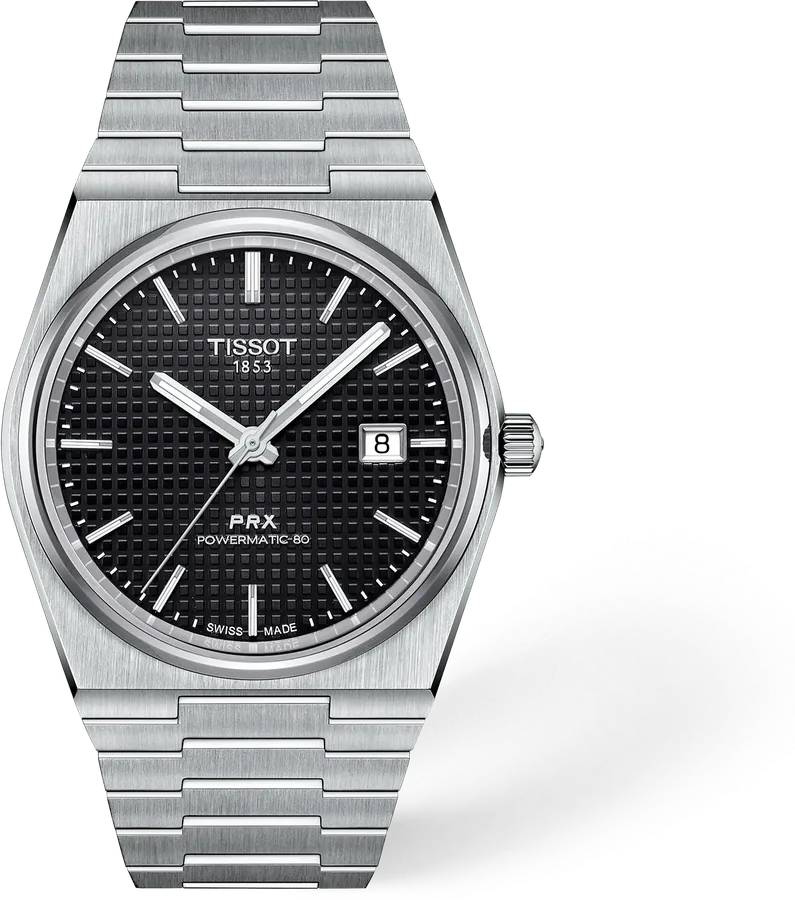
PRX Powermatic 80 Black
The PRX at its most understated
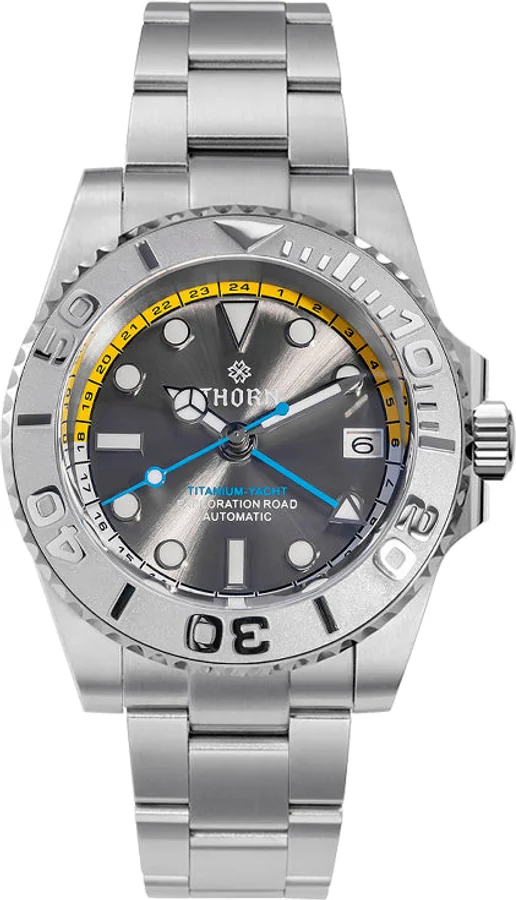
SHY037 Titanium NH34 GMT Diver
A titanium GMT diver with a ceramic bezel and a 300 m rating
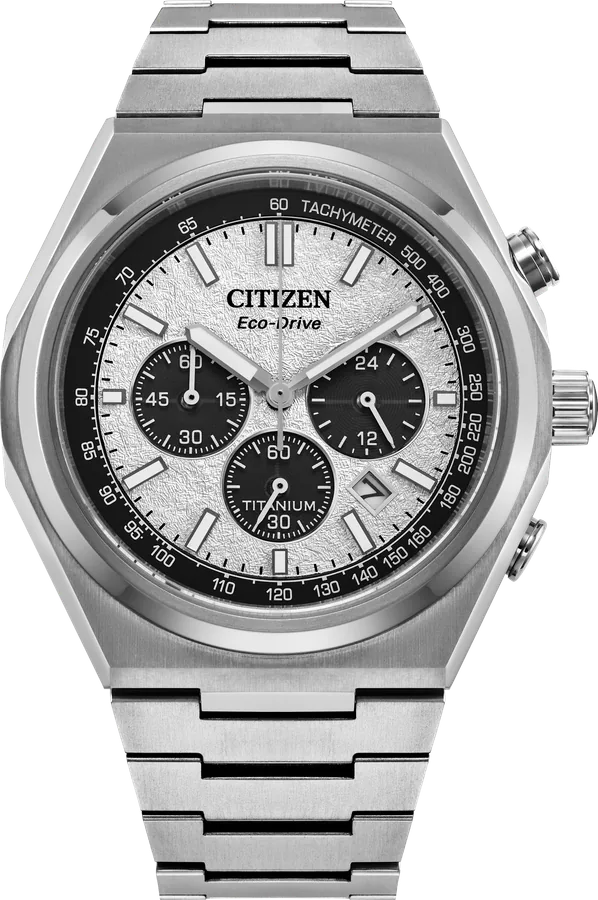
Zenshin Chrono Silver Dial (CA4610-85A)
A titanium solar chronograph with a panda dial
A few good questions.
What is the most important watch measurement?
For fit, lug-to-lug span and thickness matter at least as much as diameter.
What does a sapphire crystal mean on a spec sheet?
A scratch-resistant crystal. Some brands add anti-reflective coating on one or both sides.
What is power reserve?
How long an automatic or hand-wound watch runs when fully wound and not worn.
Why do some brands not publish lug-to-lug?
Some only list diameter and thickness. If it matters, ask the seller or compare with your own watch.
How we write guides: we explain watchmaking from manufacturer documentation and published standards, and say plainly where numbers vary by brand or movement. Our approach.