
The three crystals compared.
Sapphire.
Watch sapphire is synthetic: grown in a lab from aluminium oxide, the same material as natural sapphire. At 9 on the Mohs hardness scale, it shrugs off keys, coins and desk edges that would mark glass. The trade-offs are cost and glare: sapphire is very reflective, which is why good watches add anti-reflective coating. It can crack from a sharp blow at the wrong angle, but in normal wear it stays clear for decades.
Some brands use a sapphire coating or a thin sapphire layer over mineral glass. Read specifications carefully: “sapphire coated” is not the same as a sapphire crystal.
Mineral glass.
Ordinary glass that has been hardened, usually by heat or chemical treatment. It is clear and resists impacts reasonably well, but sand, concrete and metal will scratch it over time. Seiko’s Hardlex is its own hardened mineral glass, used on many of its affordable watches. A scratched mineral crystal can be replaced cheaply, and many owners upgrade to sapphire at service time.
Acrylic and Hesalite.
Acrylic is plastic. It scratches easily, but light scratches buff out with a polishing paste in minutes, and it almost never shatters, which is why it was used on watches worn in demanding conditions. Hesalite is a name for this kind of acrylic used by some brands. Domed acrylic gives a soft, warm distortion at the edges that many people love on vintage-style watches.
What anti-reflective coating does.
AR coating reduces glare so you can read the dial in bright light. Coating on the underside is protected inside the case and lasts. Coating on the outside cuts glare further, but it is softer than sapphire and can scratch or wear, leaving visible marks on an otherwise perfect crystal. Specifications usually say “AR coating on the inside” or “on both sides”.
Which should you choose?
For a daily watch, sapphire is worth paying for. For a vintage-style piece you want to look period-correct, acrylic is charming and easy to refresh. Mineral glass is fine on a budget, especially if you treat the watch gently or plan to upgrade the crystal later.
Sapphire-crystal watches we recommend.
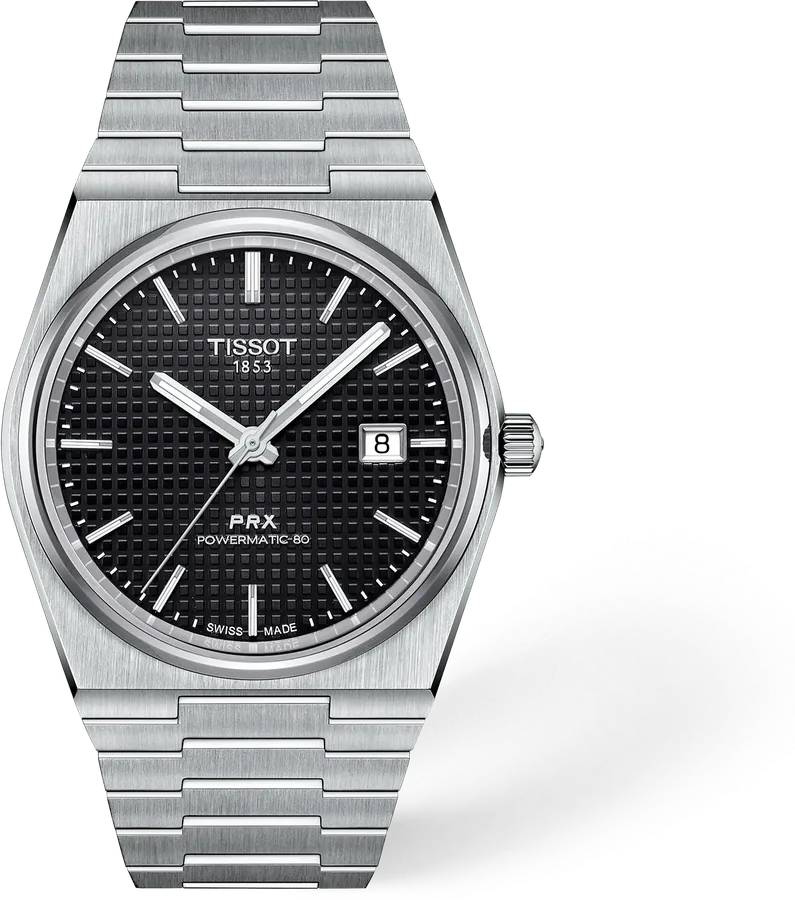
PRX Powermatic 80 Black
The PRX at its most understated
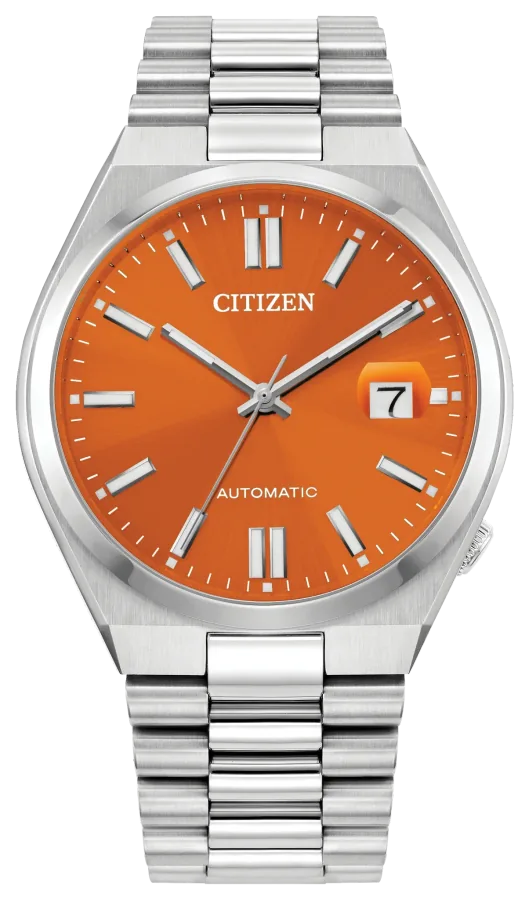
Tsuyosa Automatic Orange Dial (NJ0151-53Z)
A vivid dial on an integrated bracelet
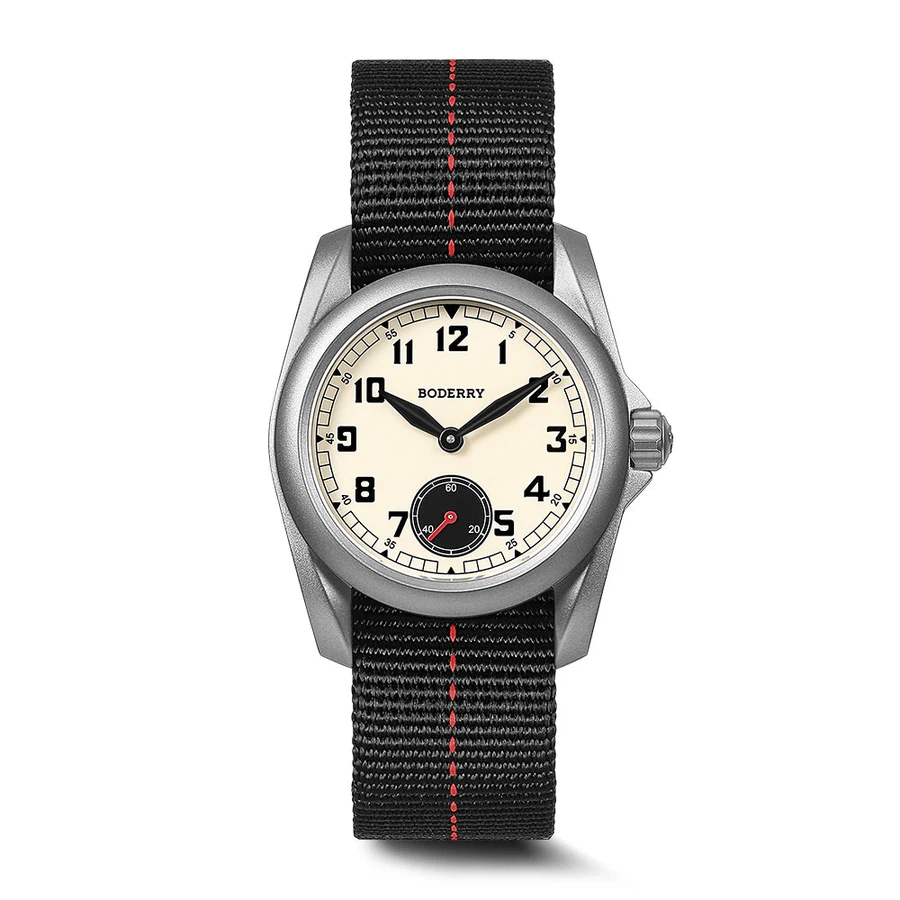
Voyager S72 Cream
Titanium character. A three-day reserve.
A few good questions.
Is sapphire crystal worth it on a watch?
For a watch you wear daily, yes. Sapphire resists the everyday scratches that gradually cloud mineral glass and acrylic.
Can sapphire crystal break?
It is very hard but brittle, so a sharp knock at the wrong angle can crack it. In normal wear this is rare.
What is Hardlex?
Hardlex is Seiko’s hardened mineral glass. It is tougher than ordinary glass but less scratch-resistant than sapphire.
Can you remove scratches from a watch crystal?
From acrylic, yes, with a polishing paste. Mineral glass and sapphire scratches generally mean replacing the crystal.
How we write guides: we explain watchmaking from manufacturer documentation and published standards, and say plainly where numbers vary by brand or movement. Our approach.