
The comparison.
Stainless steel.
Most quality watches use 316L, a low-carbon, corrosion-resistant steel. It takes a high polish or a brushed finish, can be refinished at service time, and is tough enough for daily wear. Some brands use harder 904L or surface-hardened steels.
Titanium.
Grade 2 is commercially pure titanium; Grade 5 is an alloy that is harder and can be finished more crisply. Titanium is much lighter than steel and does not contain nickel, so it suits sensitive skin. It feels warm on the wrist. Scratches are easier to make but tend to look dull rather than shiny. Citizen’s Super Titanium adds a surface hardening treatment.
Bronze.
Usually a copper-tin alloy such as CuSn8. Bronze darkens and develops a patina that is unique to your environment and wear, which is the whole appeal. You can let it age, or clean it back with a mild polish. Many bronze watches use a steel or titanium caseback to avoid skin contact.
Coatings: PVD and DLC.
Physical vapour deposition and diamond-like carbon coatings bond a thin, hard layer to steel. They create gold-tone, black and coloured watches at steel prices. The coating is hard, but where it is thin, such as on sharp bracelet edges, years of wear can expose steel underneath.
Watches in different case materials.
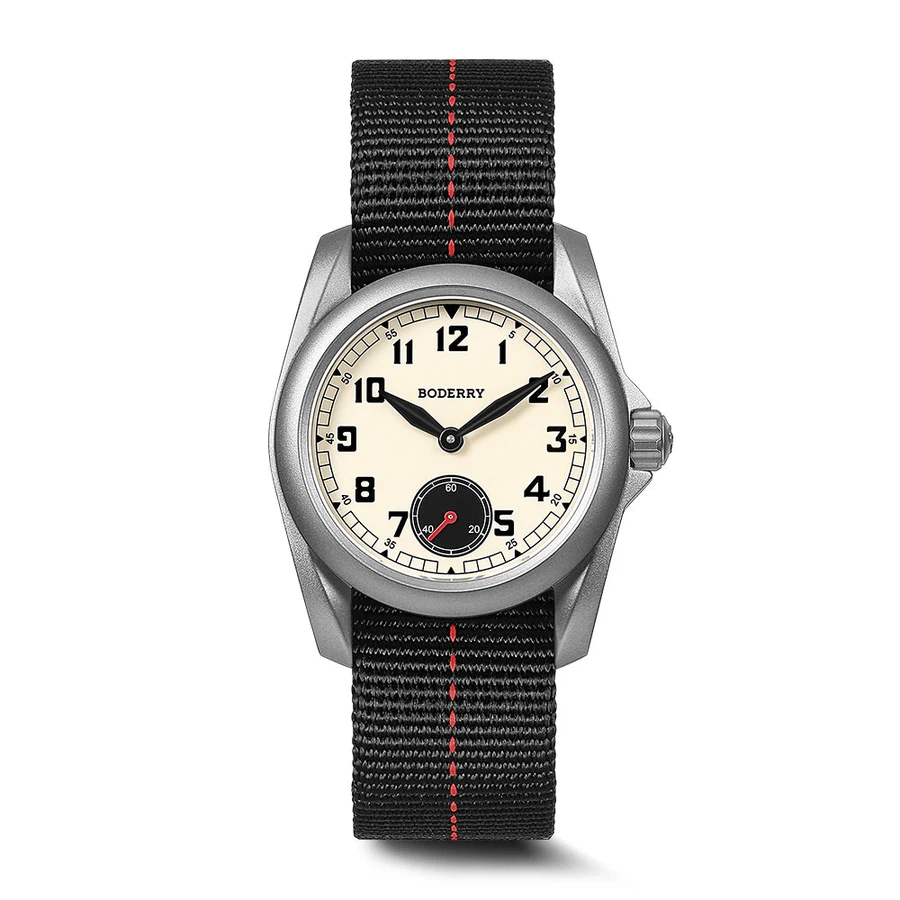
Voyager S72 Cream
Titanium character. A three-day reserve.
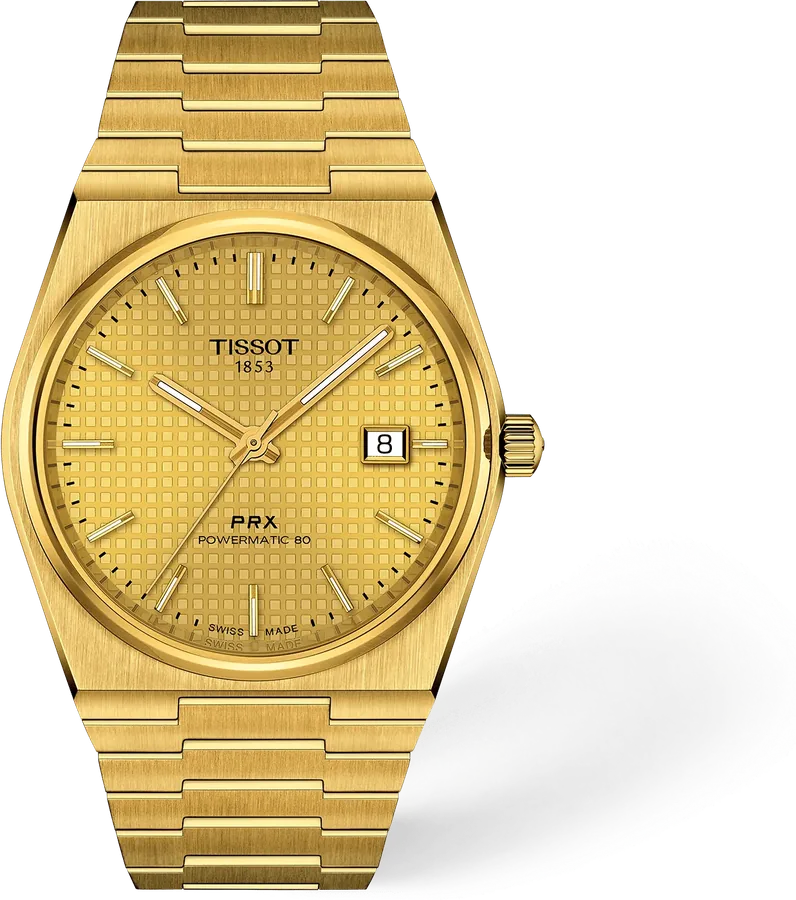
PRX Powermatic 80 Champagne Gold-Tone
The PRX with a seventies gold finish
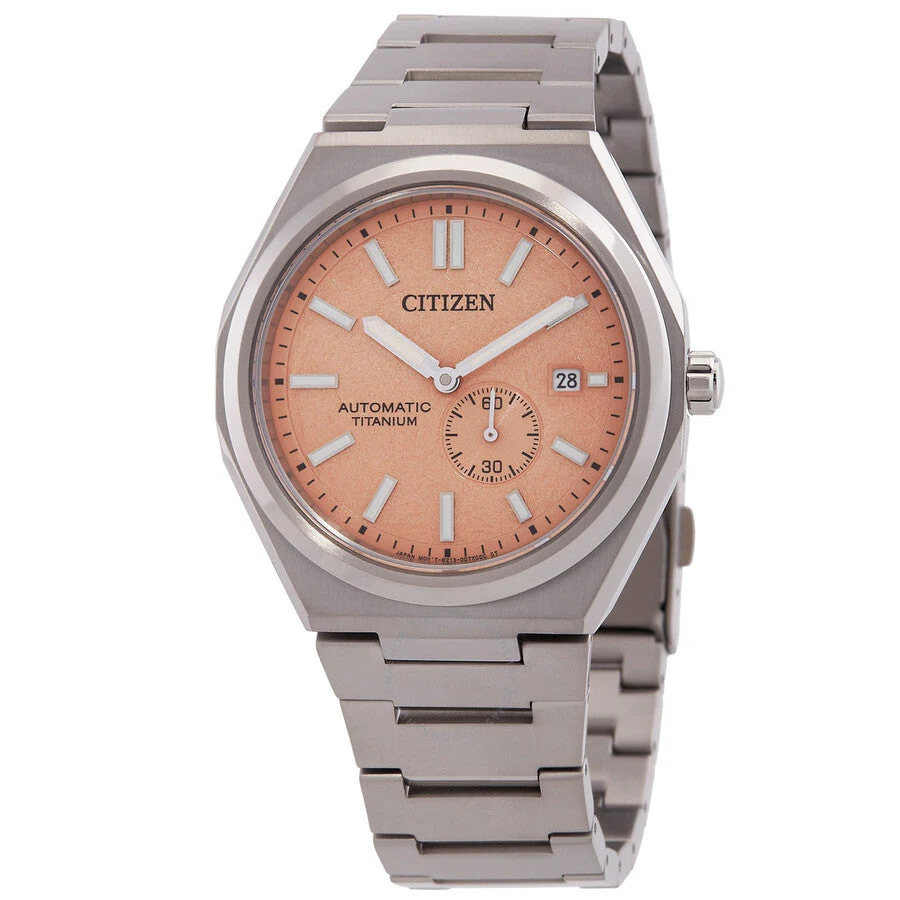
Zenshin Automatic Salmon Dial (NJ0180-80Z)
A salmon-dial automatic with an exhibition back worth seeing.
A few good questions.
Is titanium better than stainless steel for a watch?
Lighter and hypoallergenic, yes. Steel is harder to mark and easier to polish. Choose titanium for comfort, steel for a lasting finish.
Will a bronze watch turn my wrist green?
Bronze can leave a mark on some skin. Many bronze watches use a steel or titanium caseback to prevent this.
Does PVD coating wear off?
It is durable, but can wear through on sharp edges after years of daily wear.
How we write guides: we explain watchmaking from manufacturer documentation and published standards, and say plainly where numbers vary by brand or movement. Our approach.