
The lines at a glance.
PRX: the one most people ask about.
The PRX has a 40 mm case with an integrated bracelet, sapphire and 100 m water resistance, and the Powermatic 80 version adds an 80-hour reserve. The 35 mm version suits smaller wrists. See our best Tissot list.
PR 100: the simple Swiss quartz.
The PR 100 is Tissot’s slim classic. It is 40 mm and about 8.25 mm thick with sapphire and 100 m, and it comes on a bracelet or leather. The chronograph versions are thicker at 11.26 mm.
Dress: Gentleman, Le Locle and Classic Dream.
The Gentleman and Le Locle use the Powermatic 80; the Classic Dream is a slim quartz. Our dress watch list compares them with other brands.
Sport: Seastar, Supersport and PRC 200.
The Seastar 1000 quartz is rated to 300 m with a screw-down crown. The Supersport Chrono is a 45.5 mm chronograph, and the PRC 200 is a 43 mm chronograph rated to 200 m.
Tissot watches we reviewed.
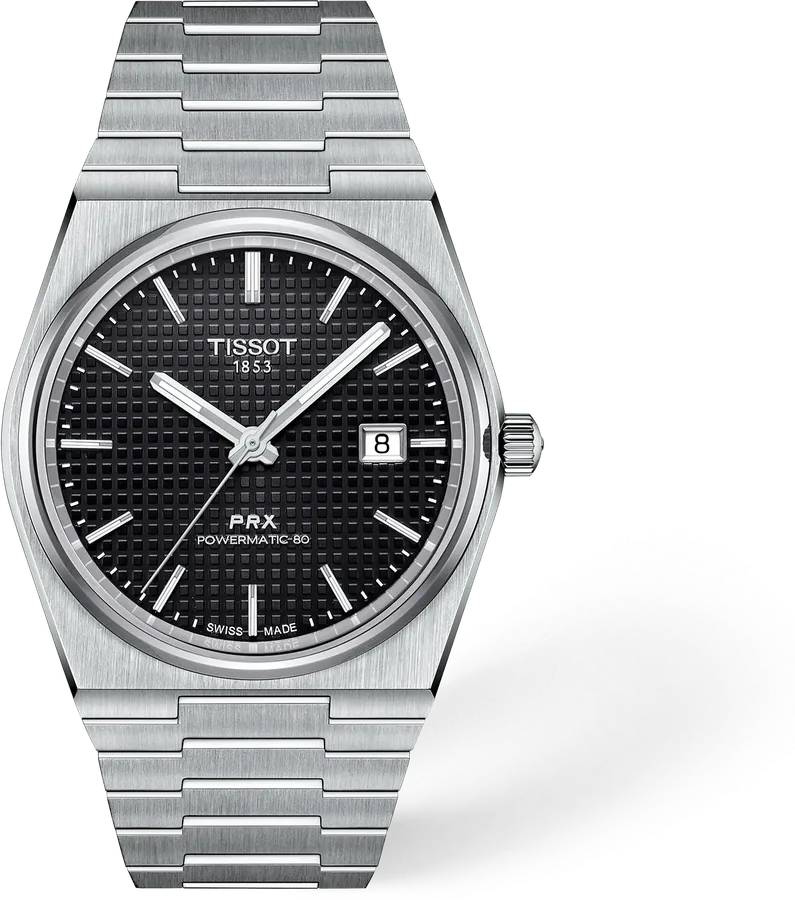
PRX Powermatic 80 Black
The PRX at its most understated
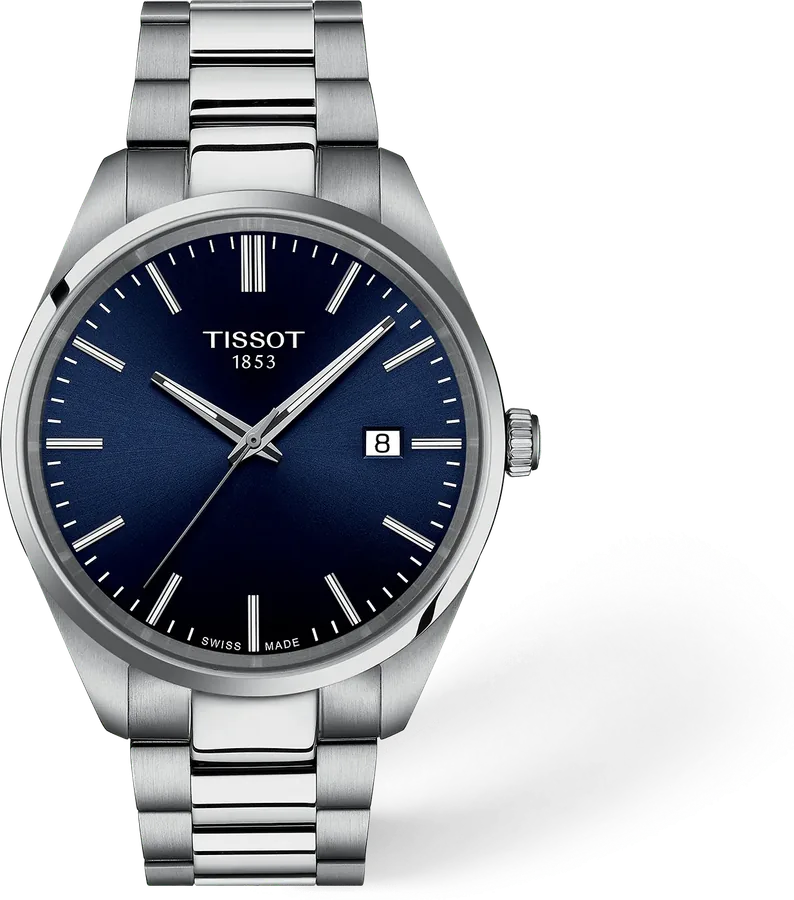
PR 100 Blue
The slim Swiss quartz classic in blue
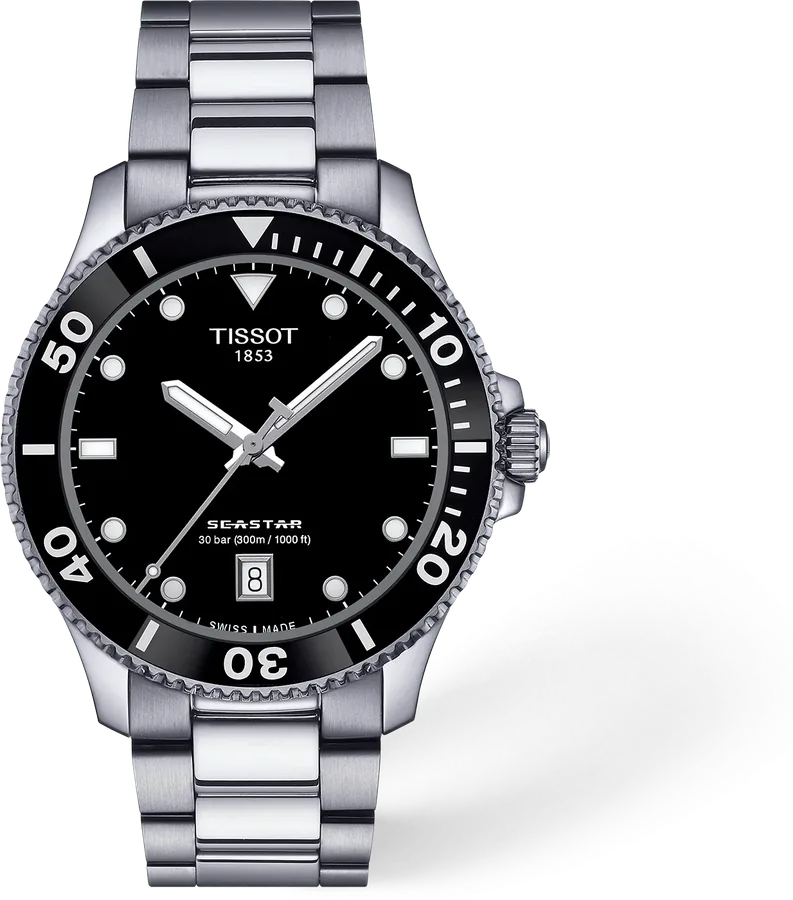
Seastar 1000 Quartz Black
A 300 m Swiss quartz diver
A few good questions.
What is the difference between the Tissot PRX and PR 100?
The PRX has an integrated bracelet and a sportier look, with automatic and quartz versions. The PR 100 is a slimmer classic quartz with a conventional case.
Which Tissot is best for a first Swiss watch?
The PR 100 is the simple choice; the PRX Powermatic 80 is the one to choose if you want an automatic.
Are Tissot watches Swiss made?
Tissot lists Switzerland as the country of manufacture on the models we reviewed.
What is Powermatic 80?
Tissot’s automatic movement with an 80-hour power reserve; see our Powermatic 80 guide.
How we write guides: we explain watchmaking from manufacturer documentation and published standards, and say plainly where numbers vary by brand or movement. Our approach.