
What a winder does.
A watch winder rotates the watch in a cradle so the rotor winds the mainspring. It only works with automatic watches, and it will keep the watch ticking so the time and date stay set.
Who benefits.
- Owners of perpetual or annual calendars and moon-phase watches that are slow to reset.
- People with a watch they wear only occasionally and want it ready.
- Collectors who want to keep several automatics running.
The overwinding myth.
Modern automatic watches use a slipping clutch or bridle that stops the mainspring from being wound too tight, so a winder cannot overwind them. The real downsides are cost and the minor wear from constant running.
Alternatives.
- Hand-wind the watch for 20 to 30 turns when you pick it up. See how to set an automatic watch.
- Choose a solar or quartz watch for pieces you rotate rarely.
- For long storage, keep it somewhere dry and away from magnets.
Our view.
Skip the winder unless you own a complication that is a nuisance to reset. If you do not want to wind or set a watch at all, a solar watch is a better answer; see Eco-Drive vs Seiko Solar.
Low-maintenance watches.
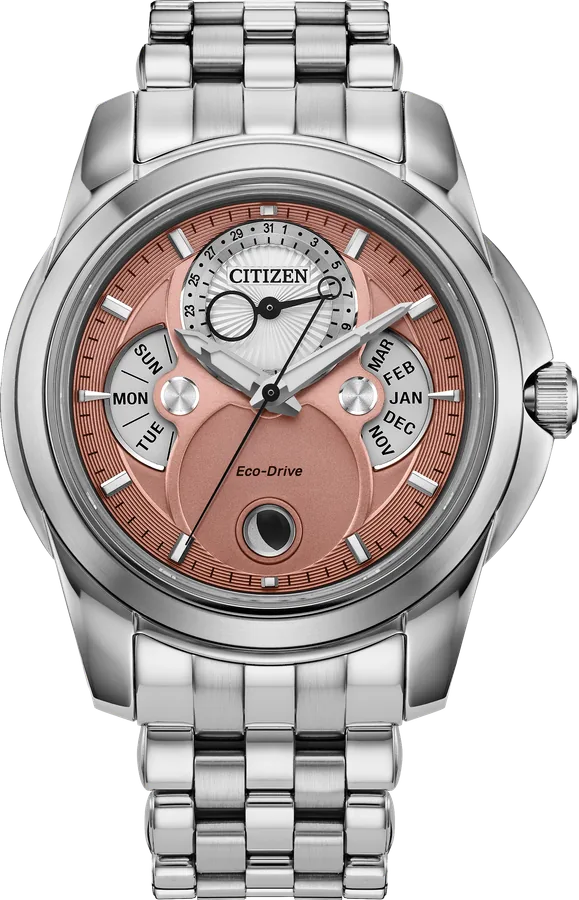
Calendrier Moon Phase Salmon Dial (BU0080-52X)
A solar moon-phase calendar with a salmon dial
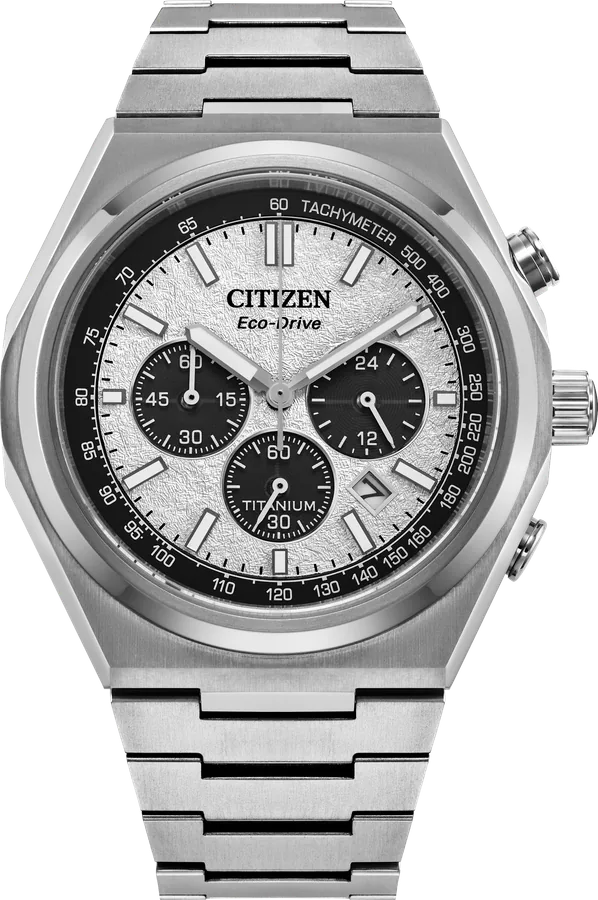
Zenshin Chrono Silver Dial (CA4610-85A)
A titanium solar chronograph with a panda dial
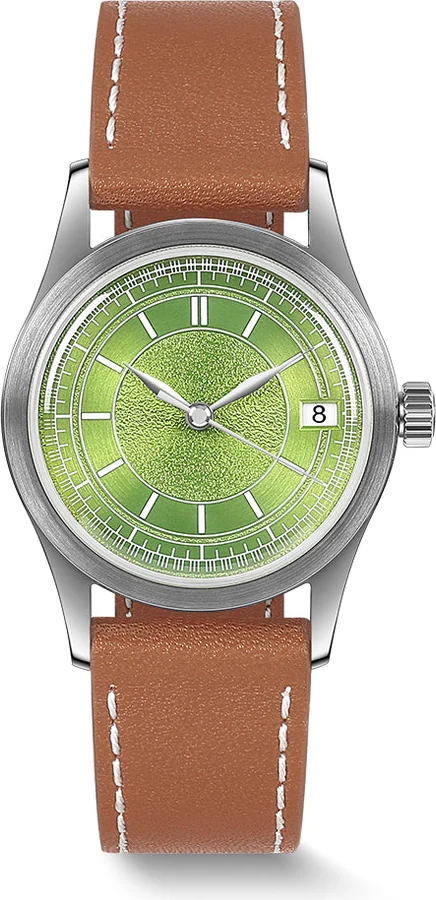
HOU 80-Hour Vintage Automatic (Avocado Green)
A 38 mm vintage field watch with an 80-hour reserve
A few good questions.
Do automatic watches need a winder?
No. They wind with wrist motion, and you can wind them by hand with the crown.
Can a watch winder damage a watch?
It cannot overwind a modern automatic. Constant running adds a little wear, and a poor-quality winder can be noisy or run the wrong direction.
Should I use a watch winder for a perpetual calendar?
It can help because those calendars are slow to reset.
How long does an automatic run when not worn?
It depends on the power reserve; 40 to 80 hours is common, so it will stop over a few days.
How we write guides: we explain watchmaking from manufacturer documentation and published standards, and say plainly where numbers vary by brand or movement. Our approach.